The sea covers approximately seventy-one percent of the earth’s surface and yet scientifically we are not even entirely sure how water formed. The water shifts from rainclouds to river, from the blood in our veins to the sap of a tree, a finite quantity constantly recycling. Water has been considered sacred by many religions but with changing cultures and vast populations, we have become complacent and 9.5 million tonnes of waste enters the ocean from the land, according to the charity Surfers Against Sewage, most of which is plastic. According to the World Health Organization only an estimated 57 percent of the world has refuse collection, meaning waste is dumped in rivers, clogging up waterways and a high percentage ends up in the sea.
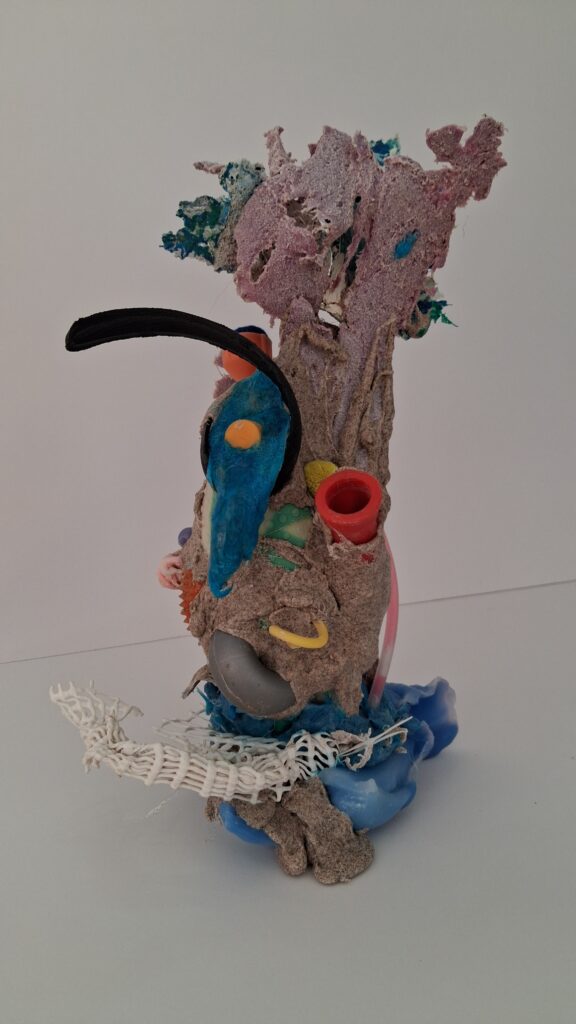
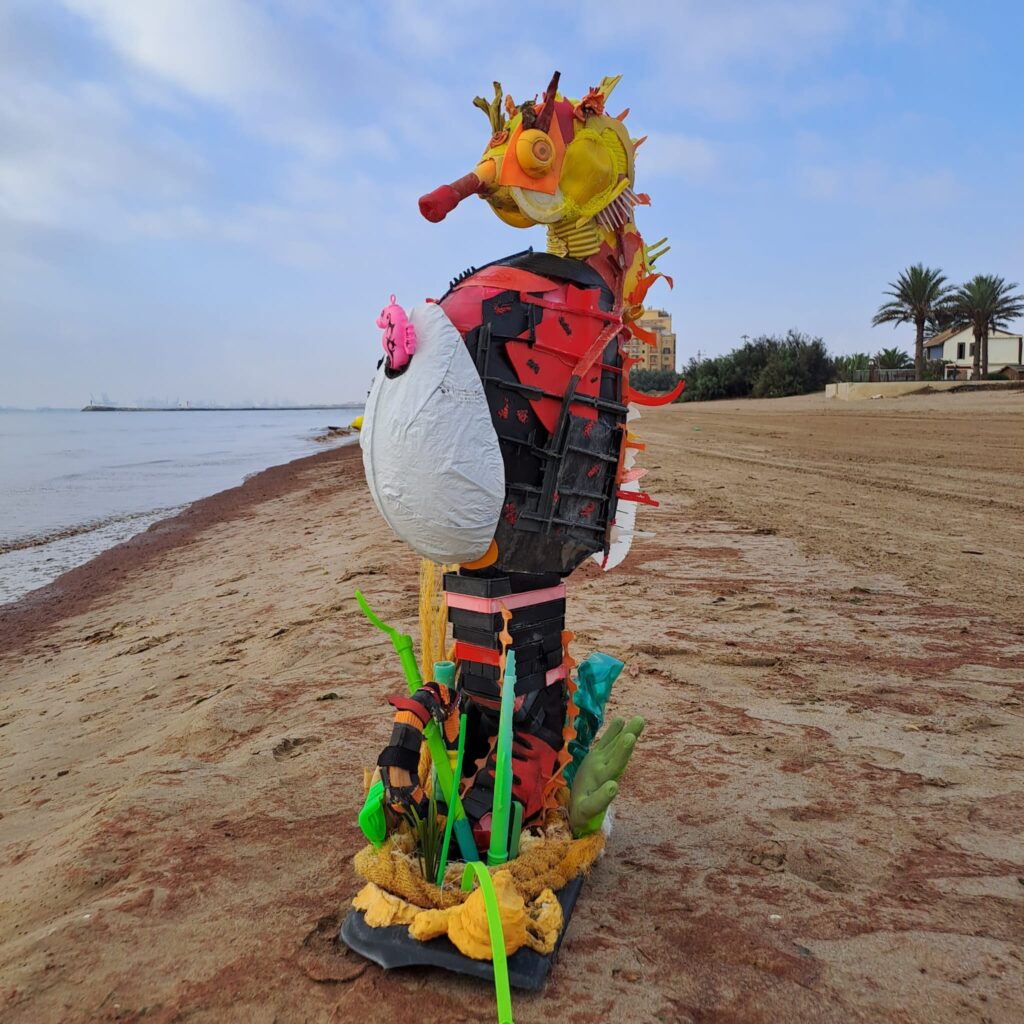
Two ArtCan artists are creative beachcombers, collecting odd rubbish from shorelines and using their finds to create works which highlight this issue.
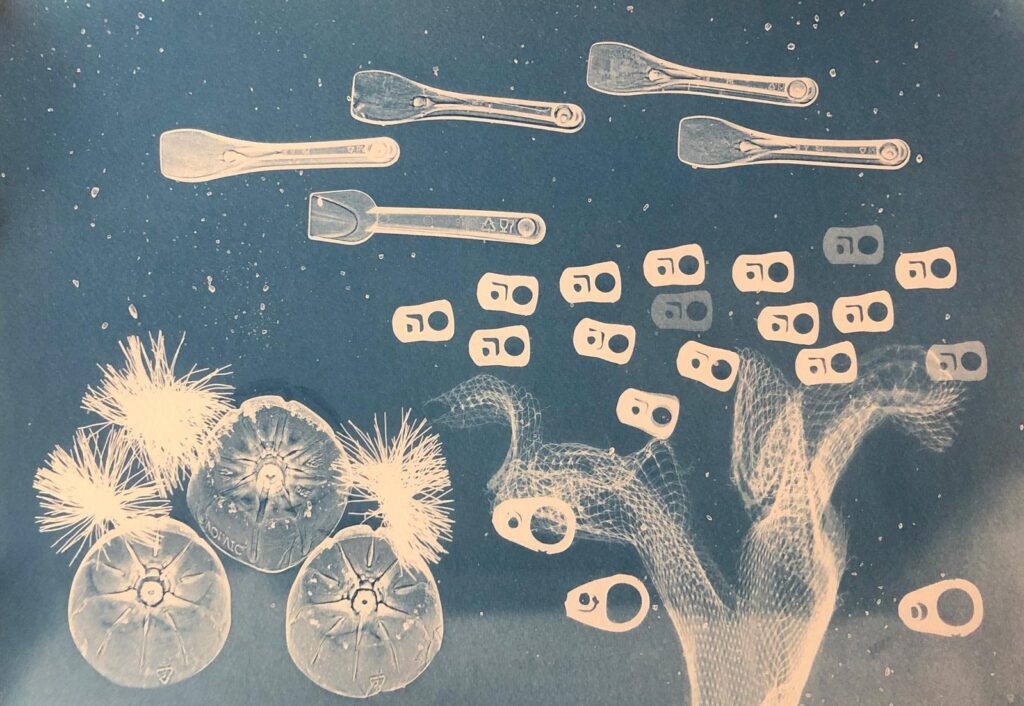
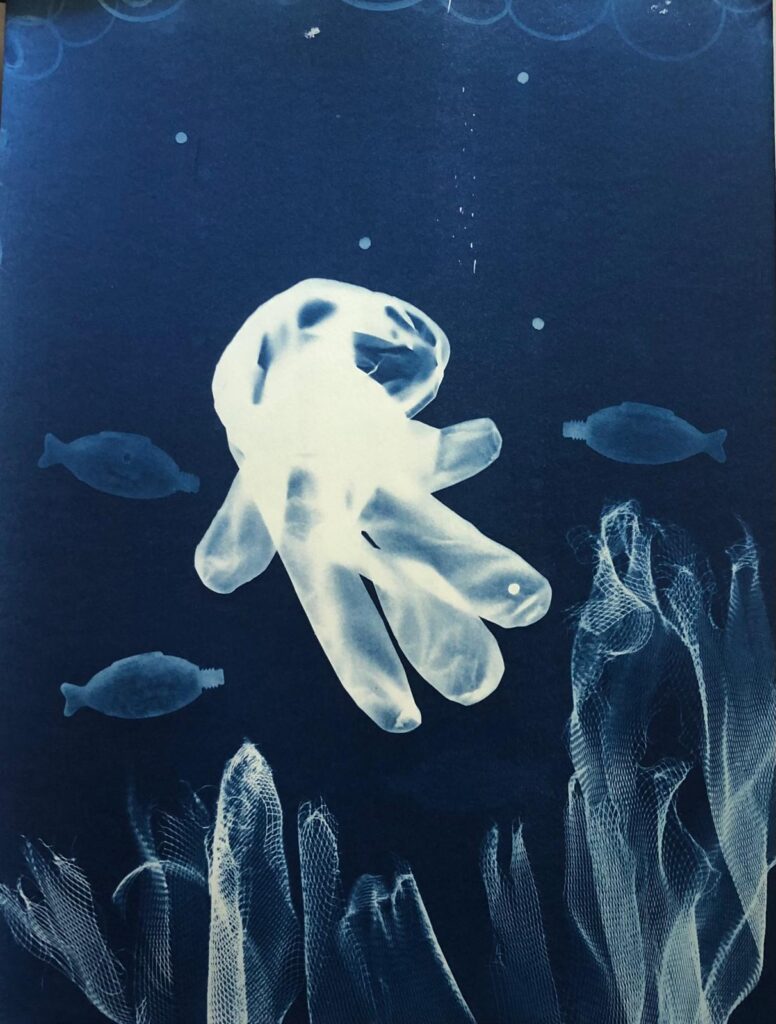
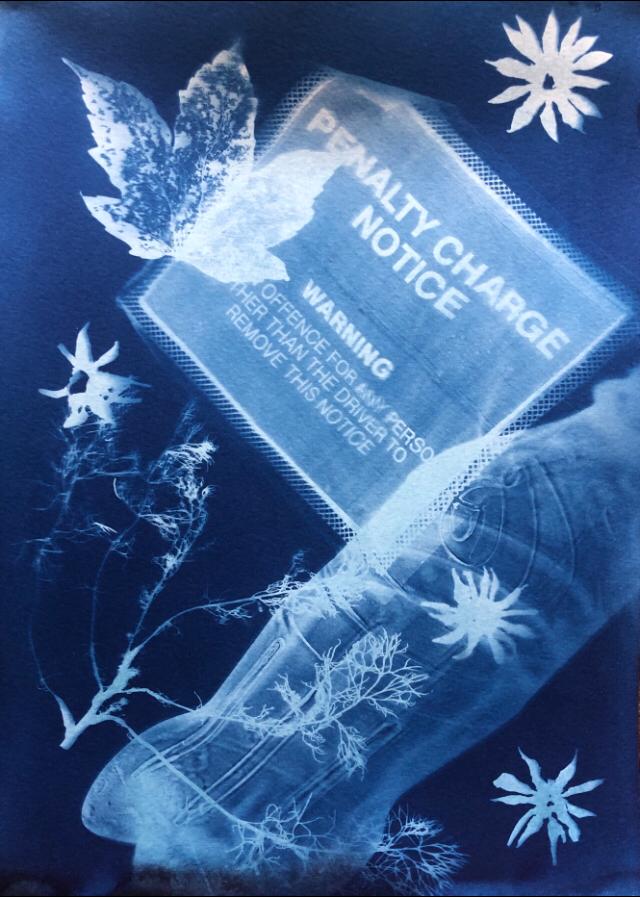
Cat Coulter began to use cyanotypes of found sea shore rubbish, after putting together a show of her sculptures and finding the walls looked too bare. As the process is much faster than sculpture, Cat quickly began to assemble found objects into delicate and intricate compositions and landscapes, that on close inspection are made of tiny ice cream spoons, parking tickets, phone cases and plastic bottles. The blue and white colour of cyanotypes also resonates with the sea and further highlights her message on pollution. Cat’s practice continues to include sculptures but her cyanotypes have become a signature part of her work. Cat seashore walks in Fife provide most of her material, but trash from shorelines in Europe, Australia, Asia and Africa also feature. A constant source of inspiration, Cat says the sea is never the same from one day to the next.
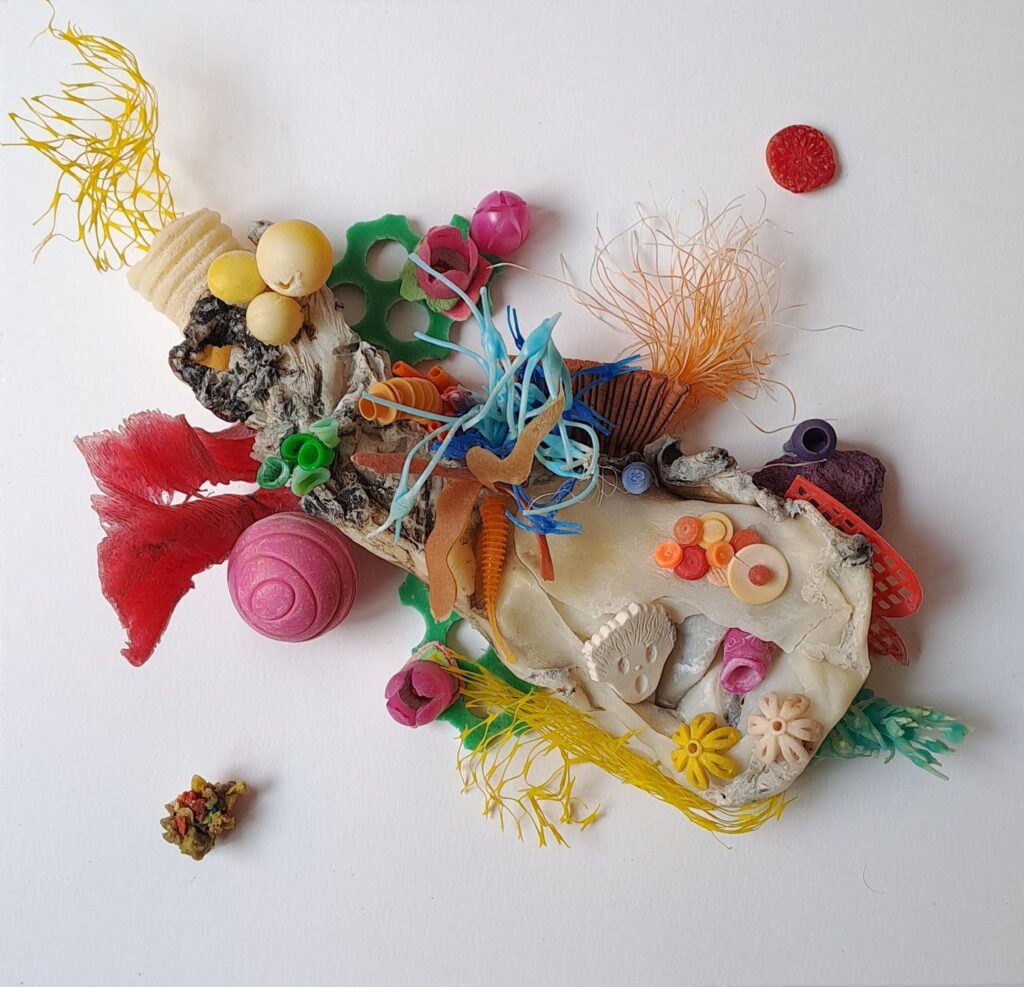
Gabriela Gaiero did not grow up by the sea and it was only when she moved from Buenos Aires to Valencia that her fascination with the sea really took hold. Initially distressed to see the rubbish washed down river, left behind by sunbathers dumped by passing boats in the Balearic Sea, Gabriela joined a beach clean-up charity to help with the issue. Inspired by the strange things that she found covered in sand, tangled up in seaweed, Gabriela began to create sculptures. Polystyrene was a bit of a conundrum as it easily breaks, but Gabriela found that a little solvent could create a paste, a clay-like material which was redolent of sand. Gabriela has been working to create sea trash sculptures now for six years and also runs workshops for children to help the next generation become aware of the preciousness of the sea.
In the meantime, there are some really wonderful organisations working to clean-up the seas including:
Surfers Against Sewage https://www.sas.org.uk/
Fundación Ecomar https://fundacionecomar.org/
Charles Darwin Foundation https://www.darwinfoundation.org
Plastic Bank https://plasticbank.com/
ArtCan Green Team are keen to highlight positive action towards environmental protection, so do please get in touch if you have something to share.
Catherine Fenton, Green Team
info@artcan.org.uk